The subscription to KAPSULA, which is organized as an email listserv (so you register with your email and then get the publication delivered) is free and of course I highly recommend you subscribe at once! The thematic sequence for this series is “Longing,” and the archive of other topics such as “Bad History” and “Acting Up” is on the magazine’s website.
In the article, using an iteration of Hal Foster’s Nachträglichkeit from The Return of the Real (1996), I tell how Franz Marc’s ideas about paradise and our separation from animals reignites in the 2009 Venice Biennale installation Reading Dante by Joan Jonas and the video by Lee Lennox for the Presets’ EDM song “Girl and the Sea.”
After I wrote the article it occurred to me that I had not explained why I discussed the works out of chronology, “Girl and the Sea” from 2004 after Reading Dante from 2009. The reason is because I actually saw the Jonas first, and then the Presets video. For… reasons…the video really upset me, but it also gave me some knowledge about myself, and, more importantly, “activated” the connection between Reading Dante and Marc’s Paradies.
As I say in the article this idea has been churning inside me for awhile, and I am so grateful to KAPSULA and particularly to editor Lindsay LeBlanc for giving these ideas a polished voice and a beautifully-designed forum.
One of the aspects of Lorna Simpson’s work I have always admired is the technical quality of her photographs. At her recent press conference at Haus der Kunst she confirmed what you’d expect from examining the gelatin prints in particular but really, upon close in-person inspection, her oeuvre: that Simpson develops, prints, mounts and even frames most of her photos by herself in a darkroom/studio in New York City.
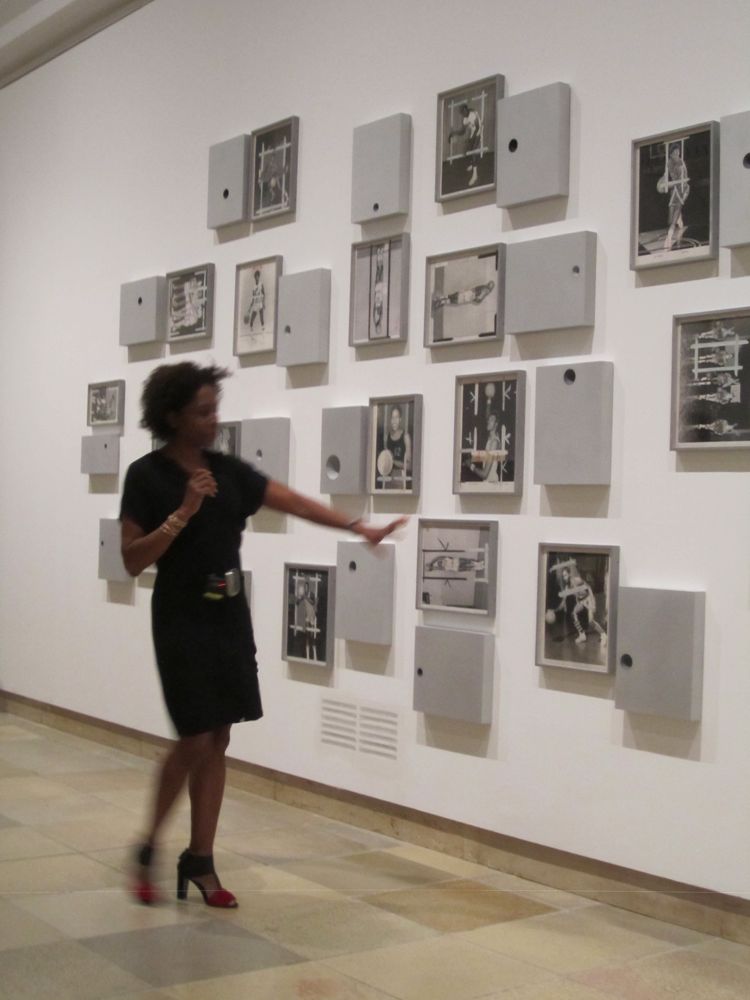
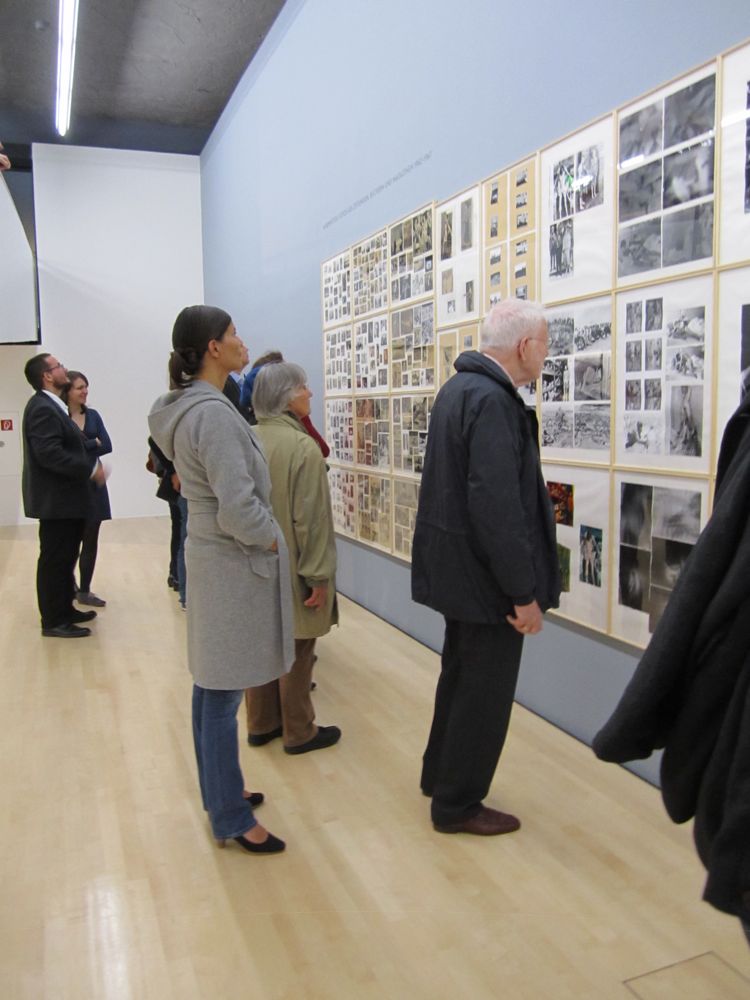
This sort of mid-career retrospective represents more than 30 years of of photography, film, video, and drawing. Known (as in these photos have entered the canon) for her mid-1980s for her language driven large-scale works combining photographs and text, Simpson’s effective enigmas are clearly coded but spacious enough to still wonder about. One of the most interesting works on view in München are a series from the 1990s of large multi-panel photographs printed on felt, accompanied by text panels describing their locations and the intimate encounters that are described but only hinted at visually. At the edge of the Englischer Garten where something exactly as described is probably happening right now only not as well concealed, the effect was actually humane and tender as opposed to amusing. The exhibit, which unfortunately overlaps with some other very strong show and with Haus der Kunst’s interactive festival also showcases Simpson’s film and video works, a group of watercolors, and an archive of found photographs from the 1950s, which Simpson has embellished by creating replicas of, posing herself to mimic the originals.
A few years ago I went through a phase of being consumed with interest in Gerhard Richter’s cycle of 15 paintings, Baader-Meinhof (18. Oktober 1977). Writing this now my obsession seems doubly strange because I did not then have the geographic or cultural context for these works I have in 2013. One spring break I had seen the paintings – based upon photographs of Ulrike Meinhof, Holger Meins, Gudrun Ensslin, Andreas Baader; the funeral of Jan-Carl Raspe, and Baader’s books and record player – at the Museum of Modern Art and had a very strong reaction to them. I think I explored this subject so intently because my response was the opposite from my feelings for Franz Marc’s animals. The blurred details of the black and white photographs of portraits, news stills, and police snapshots made the subjects abjectly lifeless. The effect was like the dream of freezing; cold, sad, and bitterly empty. The paintings made me drained and ill. Yet I was fascinated by the tension – and desire – that was generated by being repelled by images whose subjects I was very drawn to. (more…)
Danaé Xynias’s “Weite Fluren” is a good match for the Orangerie.
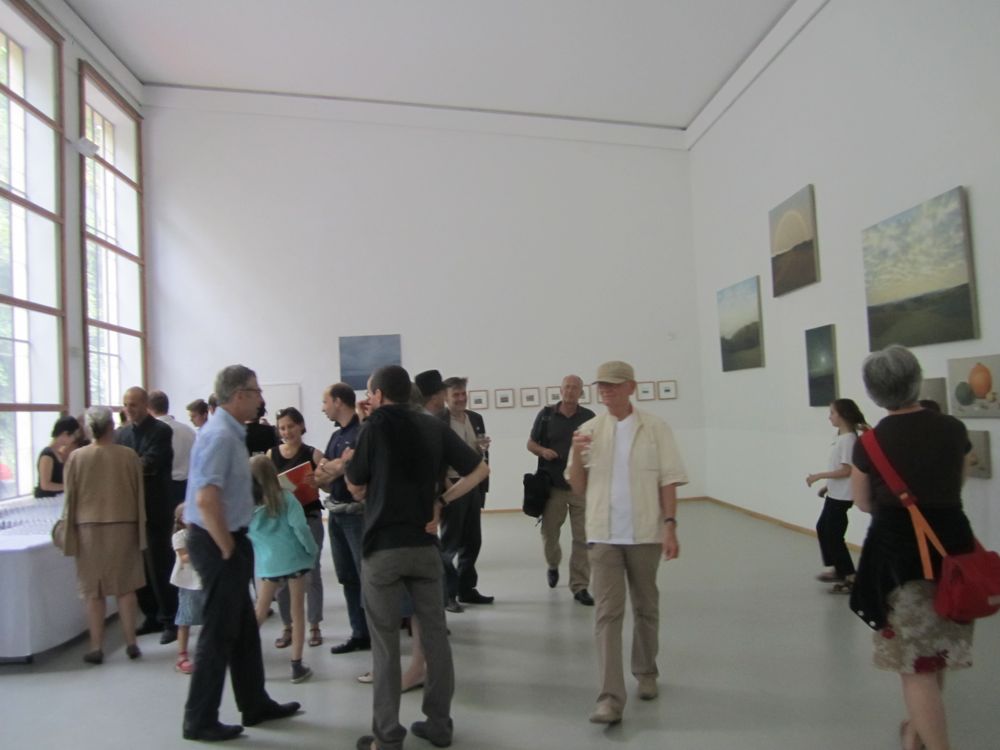
In framing the composition of a landscape painting, the challenge to the image maker, following eons of tradition, comes down fundamentally to where to place the horizon line. Contemporary painters have toyed with this problem experimentally, such as in Colin McCahon’s various large-panel installations of volcanic vistas in New Zealand. At the far reaches of these modern manifestations falls Trevor Paglen’s Covert Operations and Classified Landscapes (2010) presenting the horizon as, also, metaphorically unreachable. To sort of put things back into perspective, so to speak, Danaé Xynias makes the brave choice to return to the subject of landscape painting – the meeting of land (or water) and sky – allowing the horizon line to settle for the most part naturally in the center of her canvases.
Xynias’s current exhibition, “Weite Fluren,” is a mixture of landscapes and stylized still-lifes. (The still-lifes are certainly interesting in their own right, with rounded forms of pumpkins and melons against a zero-depth background intensifying the relationship between subject and frame.)
A reference in the catalog for the show marks an oblique historical lineage by referencing both Caspar David Friedrich and Jacob van Ruisdael, demurring that Xynias doesn’t quote them directly. This is true, though particularly the low clouds often associated with the van Ruisdael family are a clear evocation of the past. Make no mistake though Xynias is strictly a modernist, in the sense that her facture is very clean, the painted surface entirely flat and removed from the content in careful application. The space Xynias makes reference to in the exhibition title is obviously something that is of keen interest in its totality to the painter, a graduate of the Kunstakademie Düsseldorf who practices in a remote studio in Niederbayern. “Weite Fluren” is luminous in its incarnation at the Orangerie in the Englischer Garten, the classicizing space with the summer-lush exterior always at the peripheral always in view. The show is hung simply, without name markers as a distraction, with the larger landscapes singly or in groups slightly above eye-level, making visitors have to look “up” into the skies of the paintings.
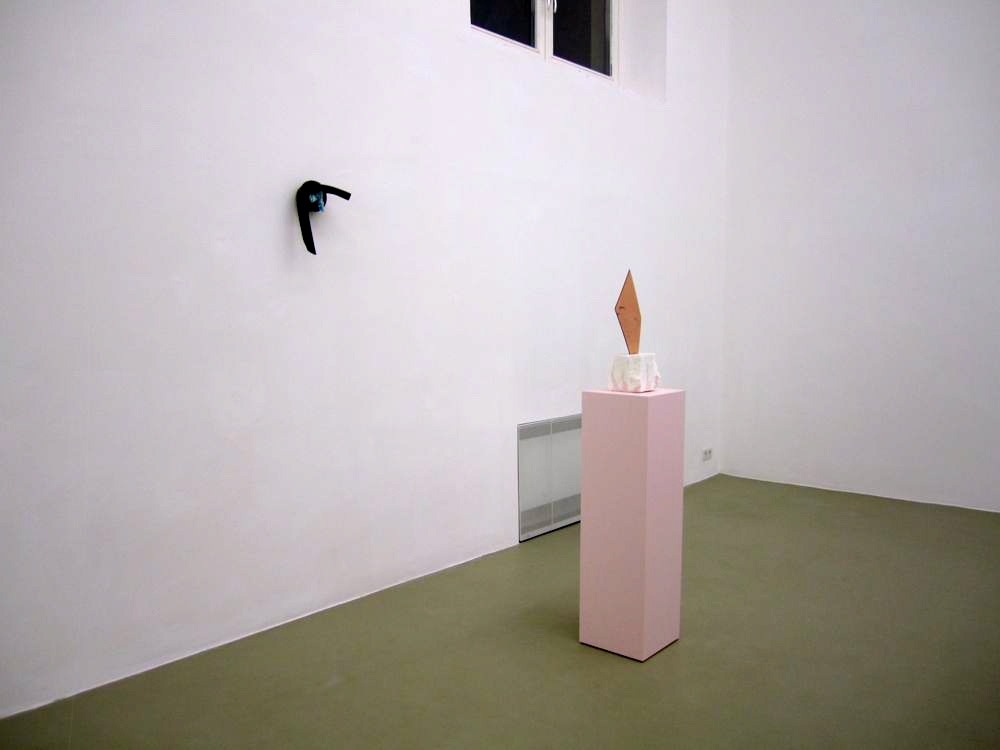
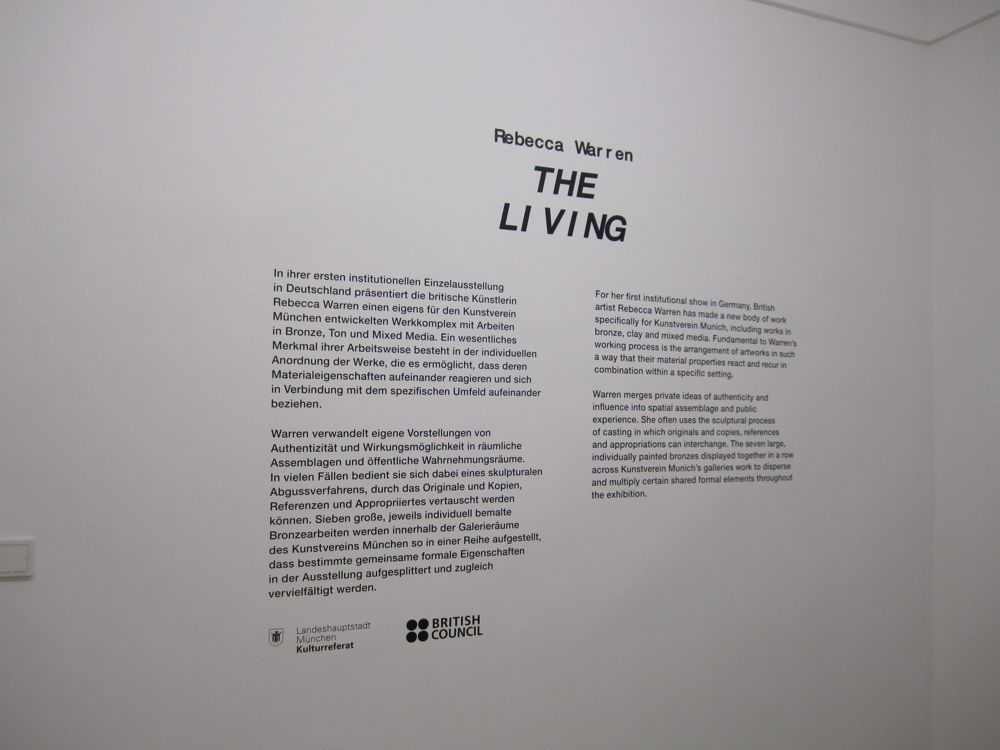
The opening for Rebecca Warren’s installation at Kunstverein München on 19 April 2013 was dramatically heightened by a rain so steady and soft it enveloped more like fog. To be clear it’s just me who is describing Warren’s experiment in biomorphic austerity as an installation; you can read more about the British artist’s commission for the Kunstverein here if you do not mind the maddening floating text. One of the good things about the script for this exhibit is actually that it does not try to overexplain the sculptor’s intentions, a la the surfeit of “instructions” that seem to come with other conceptual sculptural works such as those by Teresita Fernández.
The main space is occupied by a columnar arrangement of tall cast bronze totems, embellished with female-ish parts, regularly spaced but not wholly viewable at a take. To me this suggested a course of weave poles like those on agility courses for dogs, so that was my “phenomenological” approach. The objects above were set above and in an alcove; overall, especially at night, an effective use of the placement of the Kunstverein building’s windows.
All vastly oversimplified, of course.
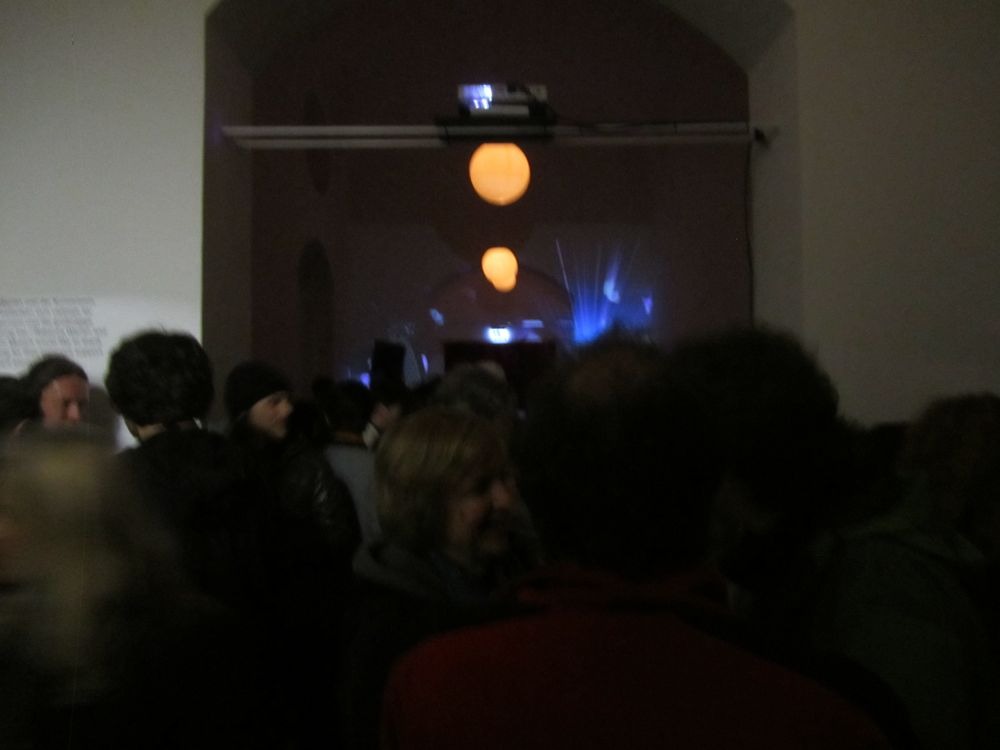
An “afterparty” in the foyer featured a fantastic set by Berlin-based turntable-techno-transformative-sounds collective M.E.S.H. that almost enticed some reactive dancing.

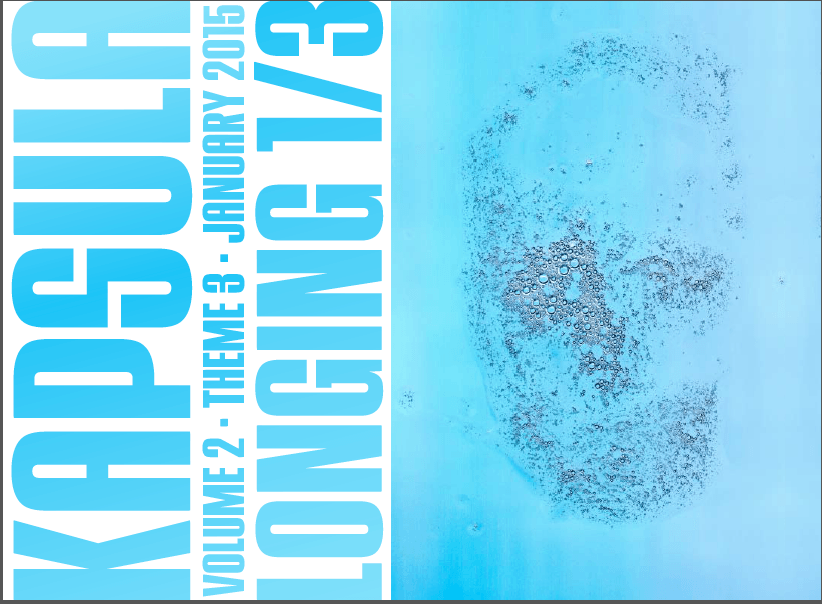 s organized as an email listserv (so you register with your email and then get the publication delivered) is free and of course I highly recommend you subscribe at once! The thematic sequence for this series is “Longing,” and the archive of other topics such as “Bad History” and “Acting Up” is on the magazine’s website.